





Tesla has long promised to make electric vehicles (EVs) available to everyone, not just luxury purchasers. While the Model 3 was released as a more reasonable choice, its price remains out of reach for many. The goal of a truly affordable option remained just that: a fantasy. However, recent statements by Tesla executives indicate that the business may have discovered a creative, cost-effective solution: simplify what it already has. Instead of constructing a new low-cost vehicle from scratch, the company intends to cut expenses by dismantling its existing Model 3 and Model Y platforms. This strategy could help the manufacturer achieve a lower price point without requiring significant new costs or production overhauls.
The Elusive Budget EV
For years, creating a low-cost electric automobile has been one of the most difficult issues in the EV sector. Despite its supremacy in the field, the company has yet to break the code. High battery costs, difficult production, and a need for cutting-edge features have all helped to keep pricing high. Even as demand for EVs increases, price remains a hurdle to widespread adoption. They have publicly recognized the difficulty. Their latest strategic shift demonstrates that the corporation is shifting away from trying to reinvent the wheel and instead focusing on simplifying what they already excel at.
A Simpler Model 3 and Model Y
Rather than developing new low-cost models from the bottom up, the company intends to improve the vehicles it already makes. The Model 3 and Model Y are among the company’s most popular autos. Executives see an opportunity to remodel them with affordability in mind. The VP of Vehicle Engineering, Lars Moravy, acknowledged this strategy on the investor call:
“The models that come out in next months will be built on our lines and will resemble, in form and shape, the cars we currently make. And here the key is that they’ll be affordable, and you’ll be able to buy one.”
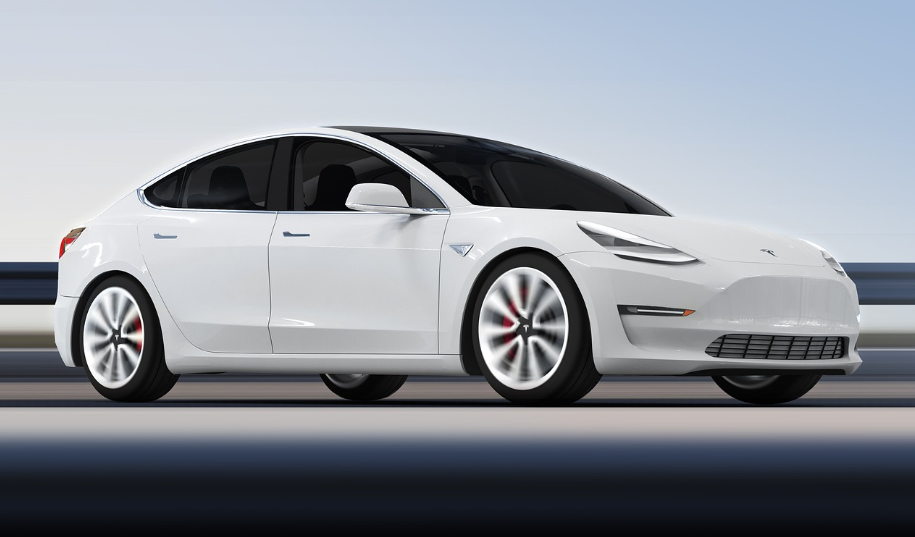
The form may stay the same, but the function and features are expected to be trimmed down significantly. This strategy avoids the high costs of developing an entirely new vehicle and allows Tesla to act quickly.
Built on the Same Lines
One of the major cost-cutting methods is to construct these inexpensive variants using existing manufacturing lines. According to Tesla’s CFO, Vaibhav Taneja:
“There’s always limitations when you’re using existing lines as to how many different form factors can you bring to. So that’s the way I would say you should think about it.”
This means that Tesla will not need to build new plants or install new equipment for these low-cost vehicles. Instead, the corporation may use its existing infrastructure to create reduced versions of its most popular EVs. It’s a sensible approach that lowers expenses and accelerates the rollout.
What Tesla Could Remove
To lower the price of its cars, Tesla is expected to strip away premium features that aren’t essential for functionality. Some of the possible changes include:
- No rear touchscreen: A unique but non-essential feature that adds cost.
- Ventilated seats: A comfort feature that can be removed without affecting basic usability.
- Panoramic roof: Stylish but expensive to produce and install.
- Premium sound systems: Lower-cost audio alternatives may be used.
- Main screen downsizing: A smaller touchscreen could reduce hardware costs.
- Reduced or no Autopilot features: Advanced driver-assist tech is expensive and not essential for basic driving.
- Basic paint options: Offering only standard colors reduces production complexity and cost.
These changes could significantly reduce the manufacturing cost per vehicle, allowing Tesla to offer EVs at a more competitive price point.
A Tough Q1 — But Signs of Strength
The roadmap still predicts a 2025 launch for these low-cost EVs. Despite some production delays, officials affirmed that the timeframe is still intact. The vehicles are expected to roll off the production line in the first half of the year. While the wait has been long, no major technical or logistical problems remain. This revelation has given investors and customers hope that the ambition of inexpensive electric vehicles is finally coming true.
The financials showed a tough start to the year. Revenue fell to $19.3 billion, down 9% year on year. Net income fell substantially to $409 million, a 71% reduction from Q1 2024. Production and delivery also declined by 16% and 13%, respectively.
These findings emerged as Tesla temporarily retooled all four of its factories in preparation for new Model Y variations and impending cheaper cars. Despite these short-term losses, Tesla’s shares rose in after-hours trading, indicating investor confidence in the company’s longer-term strategy.
Solid Financial Ground
Despite the earnings decline, Tesla remains financially resilient. The company’s cash and cash equivalents increased by 38% year on year, reaching over $37 billion. Capital expenditures were cut in half to $1.49 billion, allowing Tesla more freedom in managing its operations. These cash reserves ensure that Tesla can continue to invest in future projects while maintaining stability. With this solid base, Tesla can afford to take prudent risks, such as introducing lower-cost EVs amid a period of global economic instability.
Despite the earnings decline, the company remains financially resilient. Cash and cash equivalents increased by 38% year on year, reaching over $37 billion. Capital expenditures were cut in half to $1.49 billion, allowing more freedom in managing operations. These cash reserves ensure that the company can continue to invest in future projects while maintaining stability. With this solid base, it can afford to take prudent risks, such as introducing lower-cost EVs amid a period of global economic instability.
Looking Ahead: Autonomy and Cybercab
The company isn’t simply concerned about affordability. Autonomy remains a key component of its vision. A robotaxi pilot program based on the Model Y is set to debut in Austin in June. Full-scale production of the future “Cybercab” is planned for 2026. These developments support a long-term goal of altering not only personal car ownership but also public and shared mobility.
The aim to make EVs more accessible does not rely on breakthrough new models, but rather on smarter, leaner versions of what the company does best. It is pursuing a practical and perhaps game-changing approach by eliminating non-essential features and utilizing existing production lines. With a solid financial foundation and a renewed emphasis on energy and autonomy, the company is well-positioned to lead the next chapter in electric vehicle evolution—one in which affordability finally meets innovation.