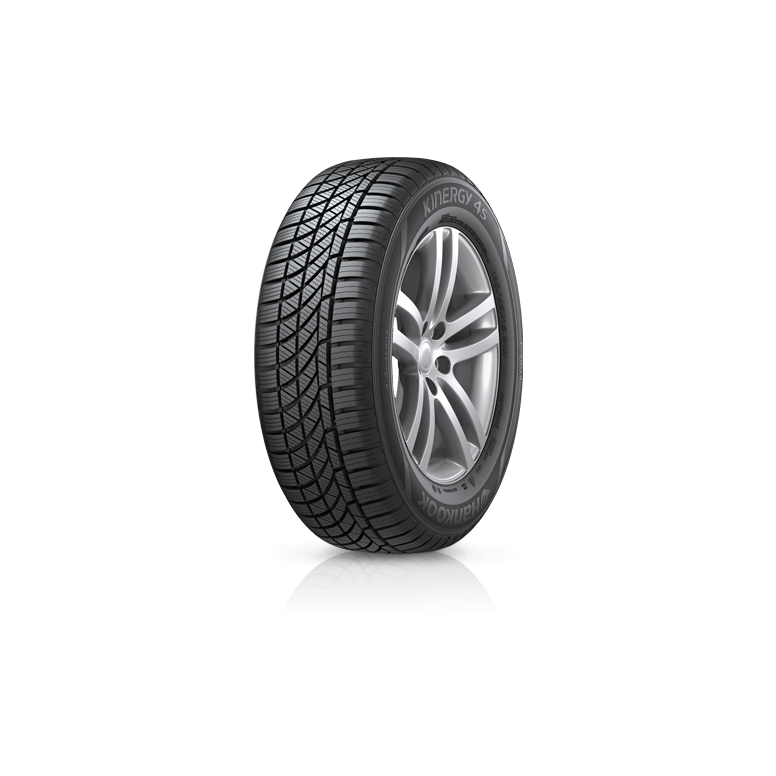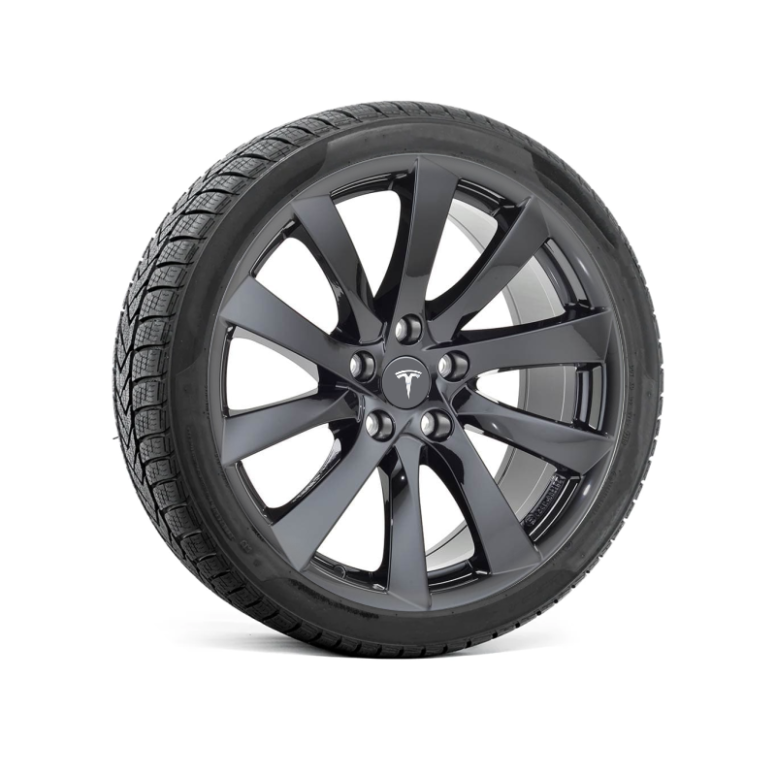

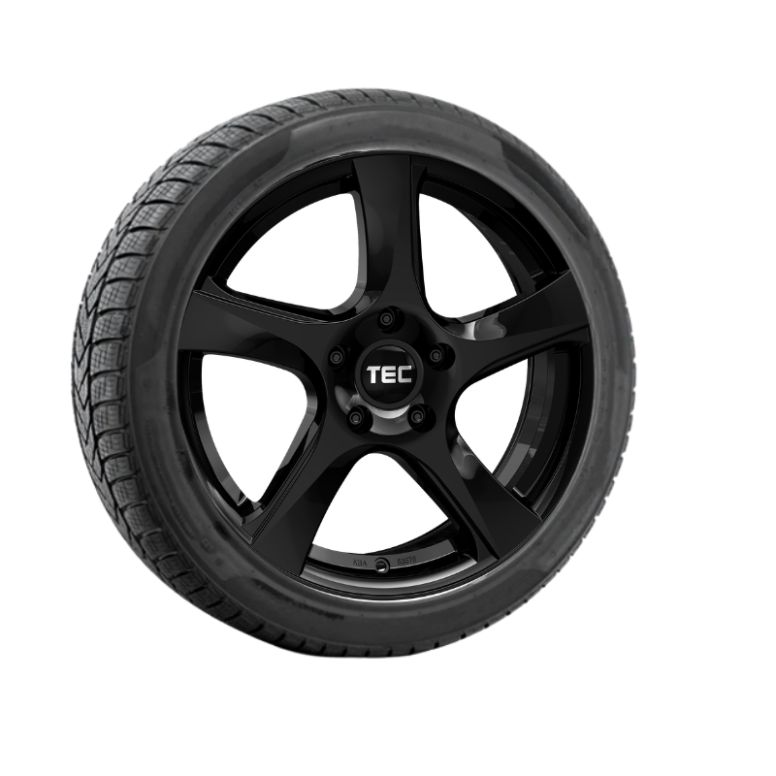
Tesla’s 3PMSF tyres have become the only legal requirement for driving in mountainous areas in winter without snow chains. This small symbol – a three-peaked mountain surrounding a snowflake – appears on the sidewall of tyres that have passed a snow grip test. Here’s how to interpret it, what it actually guarantees, and why it matters even more on a Tesla.
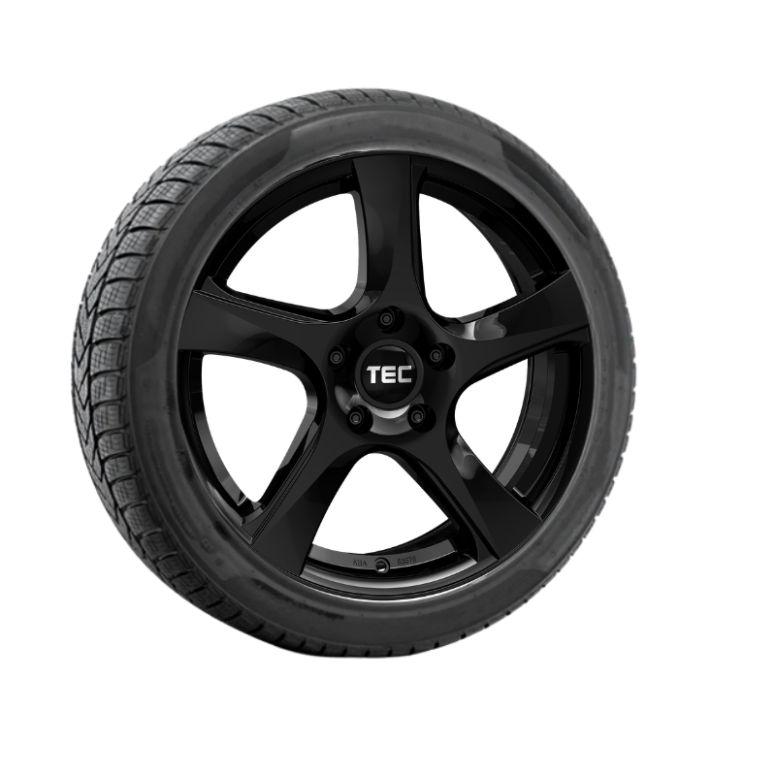
Tesla 3PMSF tyres: what does this marking mean?
3PMSF stands for ‘Three Peak Mountain Snow Flake’. Unlike the M S marking, which is simply a manufacturer’s declaration on the tread pattern, the 3PMSF symbol is only awarded following a standardised test: the tyre must demonstrate superior traction on snow compared to a reference tyre. It is therefore proof of performance, not a promise. For Tesla 3PMSF tyres, this test is particularly relevant given the car’s heavy weight and instant torque, which place significant demands on grip when pulling away.
What the law has stipulated since November 2024
The ‘Montagne 2’ law applies from 1 November to 31 March in municipalities designated by prefectural order, across 34 departments. Since 1 November 2024, the exemption granted to tyres marked only with ‘M S’ has ended: only 3PMSF tyres are recognised as winter tyres. Otherwise, you must carry snow chains or tyre socks in the boot, or face a fine of €135. Full details are available in our Tesla Montagne Law guide and on service-public.fr.
Check the sidewall of your tyre
On the sidewall, look for the mountain and snowflake symbol, often near the tyre size. Also note the size, for example 255/45 R19, the load and speed ratings, and the DOT code – the last four digits of which indicate the week and year of manufacture. On a Tesla, the load index is particularly important: many set-ups require an XL-rated tyre. An under-rated 3PMSF tyre in terms of load capacity is still a poor choice. And before buying second-hand 3PMSF Tesla tyres, check that there are no bulges or cuts on the sidewall.
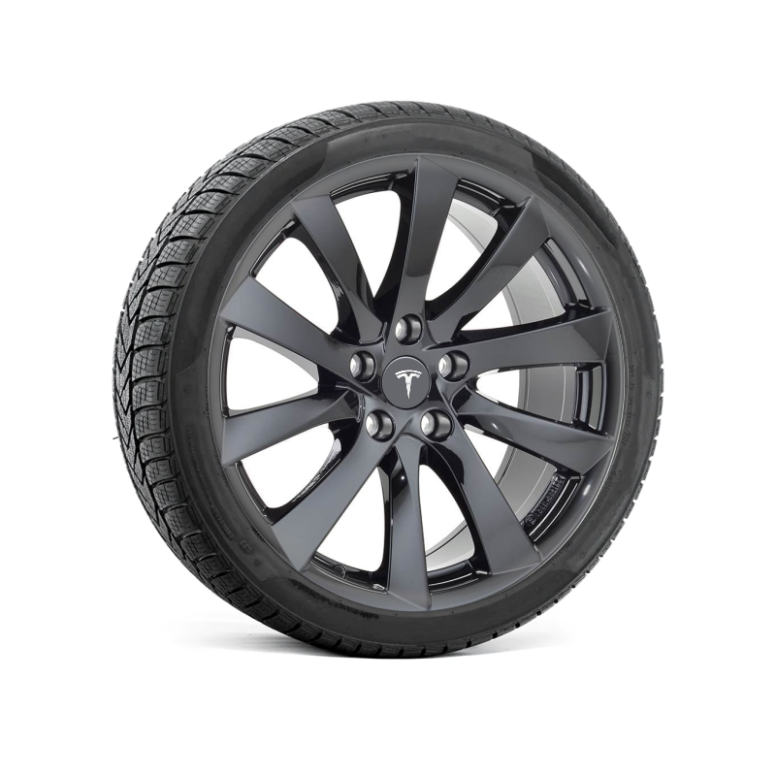
Winter, all-season: the two categories of 3PMSF Tesla tyres
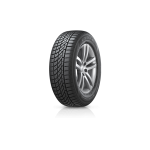
The symbol does not distinguish between a pure winter tyre and an all-season tyre: both can carry it. Winter tyres perform better on snow and ice, whilst all-season tyres are more versatile on flat terrain. Our article on Tesla all-season tyres will help you decide. In both cases, fit four identical tyres: mixing tyre types on a Tesla disrupts the balance of traction control and stability.
The pre-winter checklist
- the 3PMSF symbol must be present on all four tyres;
- size compatible with your model and rims;
- suitable load index, often XL on a Tesla;
- sufficient tread depth, ideally over 4 mm in winter;
- tyres less than five or six years old, as the rubber hardens with age.
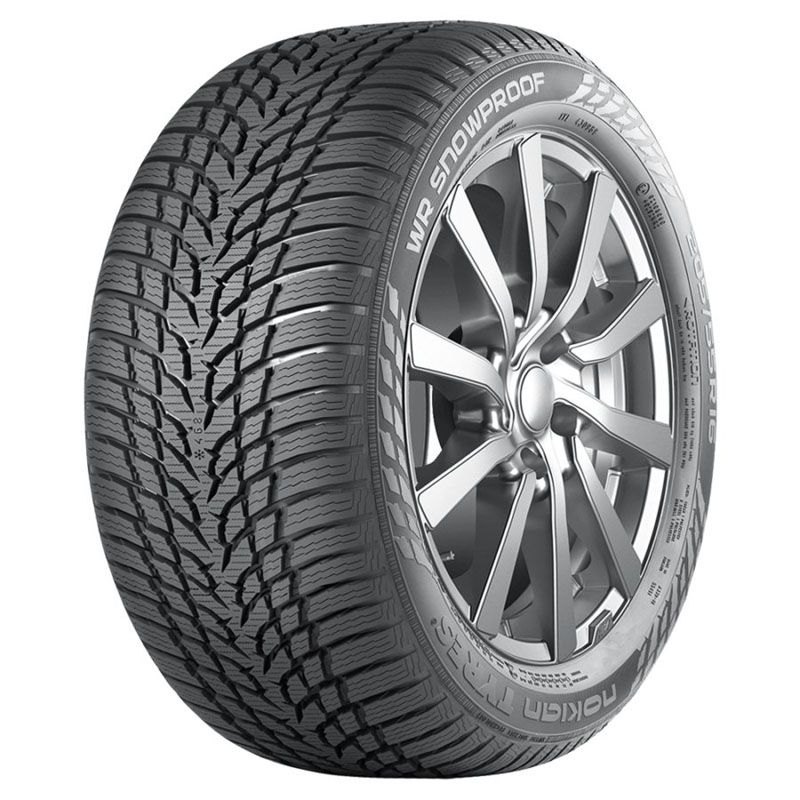
Complete wheels: the simplest solution
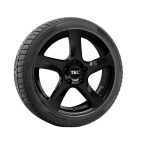
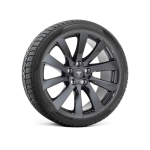
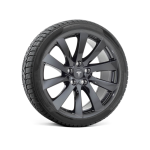
Rather than having your summer tyres removed every autumn, many owners opt for a second set of wheels: this is the simplest way to drive on Tesla 3PMSF tyres all winter long. The 19-inch AS5 winter complete wheels for the Model Y (€919.90) or the 18-inch PL06 winter complete wheels for the Model 3 (€669.90) come fitted and balanced; check the product listing for the exact tyre model and its marking. Our Tesla winter tyre guide compares complete wheelsets with individual tyres.
Frequently Asked Questions
Are 3PMSF Tesla tyres compulsory everywhere? No, only in areas subject to the ‘Loi Montagne’ (Mountain Law), from 1 November to 31 March, and only if you do not have snow chains.
Is an M S tyre still sufficient? No, since November 2024 it must also bear the 3PMSF symbol.
Do 3PMSF tyres wear out faster? Their soft rubber compound wears out more quickly in warm weather; remove them in spring.
Can you mix 3PMSF tyres with summer tyres? No, always fit four tyres of the same type.
Green Drive’s advice
On a Tesla, the 3PMSF symbol is the first thing to check, before the brand or price. Find our tyre sets and their specifications in the Model Y tyre section.