


Minus 20, minus 30, sometimes minus 40 percent: Tesla range melts with the mercury, and every winter the forums light up. Yet the loss is not inevitable. Cold battery, heating, tyres: here is where winter consumption comes from, and 10 concrete tips to keep maximum kilometres.

Why does Tesla range drop in winter?
Three culprits. Chemistry first: a cold battery accepts and releases less energy. Heating second: warming a cabin at -5°C can draw 2-4 kW continuously. Tyres last: softer winter rubber and cold tarmac increase rolling resistance. These effects are common to all EVs.
The 10 tips that change everything
- 1. Precondition while plugged in: heat battery and cabin on the grid, not on the pack;
- 2. Navigate to Superchargers: routing preheats the battery before each stop;
- 3. Favour heated wheel and seats, far thriftier than hot air;
- 4. Schedule charging to leave with a warm battery each morning;
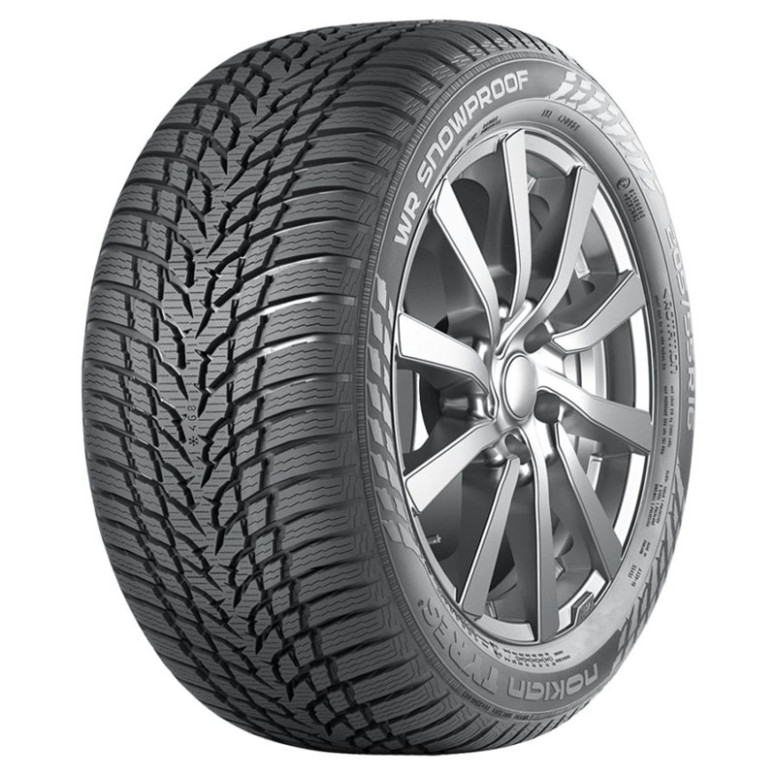
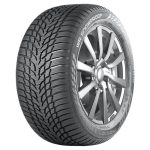
- 5. Choose efficient winter tyres — our Tesla winter tyres guide compares options;
- 6. Keep aero wheels or their hubcaps: 2-3% of range;
- 7. Limit Sentry Mode on long stays (see our guide);
- 8. Park under cover when possible: a covered spot is worth kilometres;
- 9. Sort home charging — wallbox or reinforced socket;
- 10. Check tyre pressures, which drop with the cold.

Winter equipment that protects range
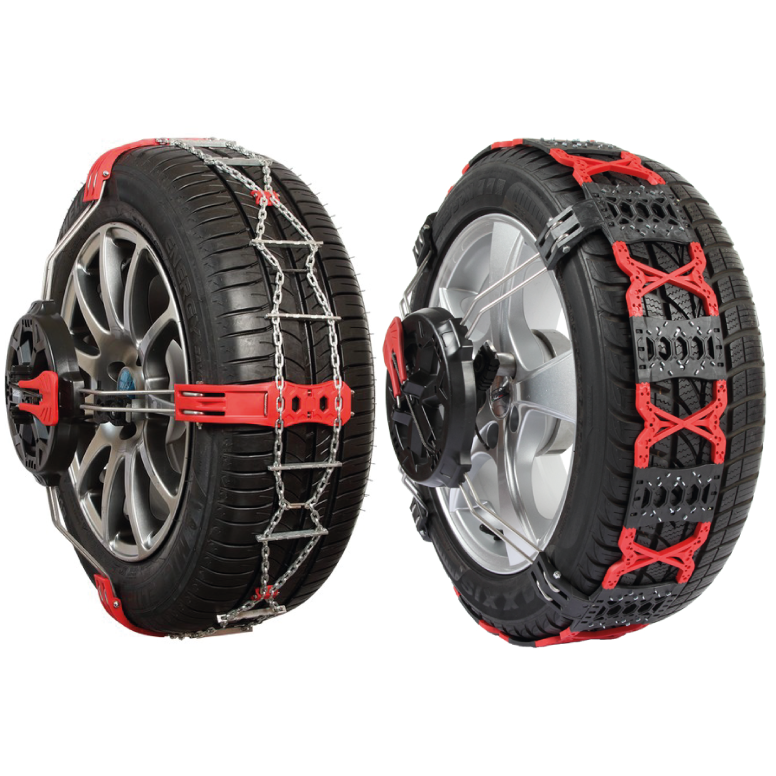
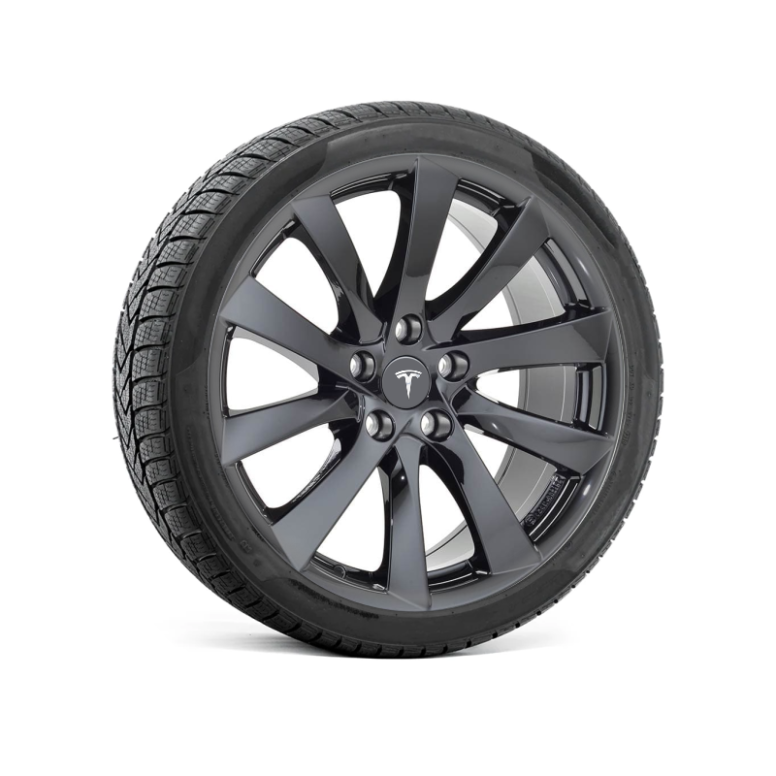
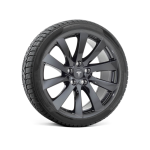
A second set of complete winter wheels (from €1,869.90 in TÜV-certified 19-inch) protects your summer wheels, improves traction and, on aero rims, limits the consumption hit. In the mountains, Griptex+ snow socks (€96) meet mountain-law rules without harming the wheel arches.
Winter charging: the right reflexes
In winter, regeneration is limited on a cold battery (dotted line on screen) and fast charging starts slowly. Two answers: always navigate to the Supercharger to trigger preheating, and favour overnight home charging, which leaves the battery tempered each morning. The right mobile charger or wallbox makes the daily difference.
Real-world Tesla range: what to expect this winter
Concretely, a Model Y Long Range rated 533 km WLTP typically covers 350-420 km at 0°C on the motorway, more in mixed use. A Model 3 RWD lands around 280-330 km in the same conditions. The Tesla range shown on the dashboard adapts to your history: trust it for planning and keep a 15% margin on freezing days. With the ten reflexes above, most drivers recover 40-60 real kilometres per charge — a commute’s worth gained through anticipation alone.
If the cold still catches you out en route, keep the Supercharger reflex: ten minutes of charging usually completes the leg serenely, the navigation-triggered preheating making the session far faster than arriving with a cold pack.
Frequently asked questions
How much Tesla range is lost in winter? 15-35% depending on temperature, trips and driving; short urban hops are worst.
Does the heat pump help? Yes, recent Teslas have one: up to 50% saved on heating.
Should the car stay plugged in during deep cold? Yes, whenever possible: it manages battery temperature without draining charge.
Do winter tyres hurt range? Slightly (3-7%), vastly outweighed by the safety and traction gained.
Green Drive’s take
Winter Tesla range is managed through anticipation: preconditioning, proper equipment, smart charging. All the winter gear is at the Green Drive shop.