
Tesla’s range in extreme cold is a world away from that in a mild winter: below -10 °C, the battery, the cabin and the tyres all conspire to reduce your range. However, the loss remains predictable and largely manageable, provided you understand where it comes from. Here are the realistic figures and the steps that really make a difference.

Tesla range in cold weather: where does the loss come from?
Three factors account for the drop. Firstly, the chemistry: a cold lithium-ion battery releases its energy less readily and charges less efficiently. Secondly, heating – both for the battery and the passenger compartment – which draws directly on the available kWh. Finally, the road conditions: denser air, wet or snow-covered roads, and softer winter tyres all increase rolling resistance. None of these factors is a fault with the car; they affect all electric vehicles.
Parking outside at -15 °C: the most challenging scenario
A Tesla parked outside for several days, unplugged, at the foot of the slopes, faces all these challenges: a frozen battery upon waking, slow charging, and a cabin that needs warming up. This is where Tesla’s range in cold conditions drops the most. If no charging point is available, keep a reserve of at least 30 per cent upon arrival, and switch on the heating via the app half an hour before setting off again.
Key figures to bear in mind
On long journeys with a pre-heated car, a drop of 15 to 25 per cent compared with summer is a common figure. In very cold weather and on repeated short journeys, it can exceed 40 per cent, as each time you set off, the battery and cabin need to be warmed up. The blue snowflake icon displayed next to the gauge indicates that some of the energy is temporarily unavailable: it becomes available again as the battery warms up. Check the forecast on meteofrance.com before a long journey.
Always pre-heat whilst plugged in
The most effective way to maximise your Tesla’s range in cold weather is to preheat whilst the car is still plugged in: the energy then comes from the mains, not the battery. Set your departure time in the app, let the system heat the battery and the cabin, then set off with the cabin at the desired temperature. Our article on Tesla pre-conditioning in winter sets out the settings in detail. At home, even a reinforced socket is sufficient: the 3.7 kW Type 2 portable charger (€184.90) is more than enough for an overnight charge.

Supercharger: arriving with a warm battery
A frozen battery accepts reduced charging power, sometimes for several minutes. To avoid this, select the Supercharger as your destination in the sat-nav: the car will warm the battery en route so that it reaches the correct temperature range by the time you arrive. In very cold weather, aim to arrive with a charge level of around 15–20 per cent rather than 5 per cent: this margin allows for the unexpected, such as a traffic jam or a closed mountain pass.
Wheels, tyres and pressure: the hidden kilometres
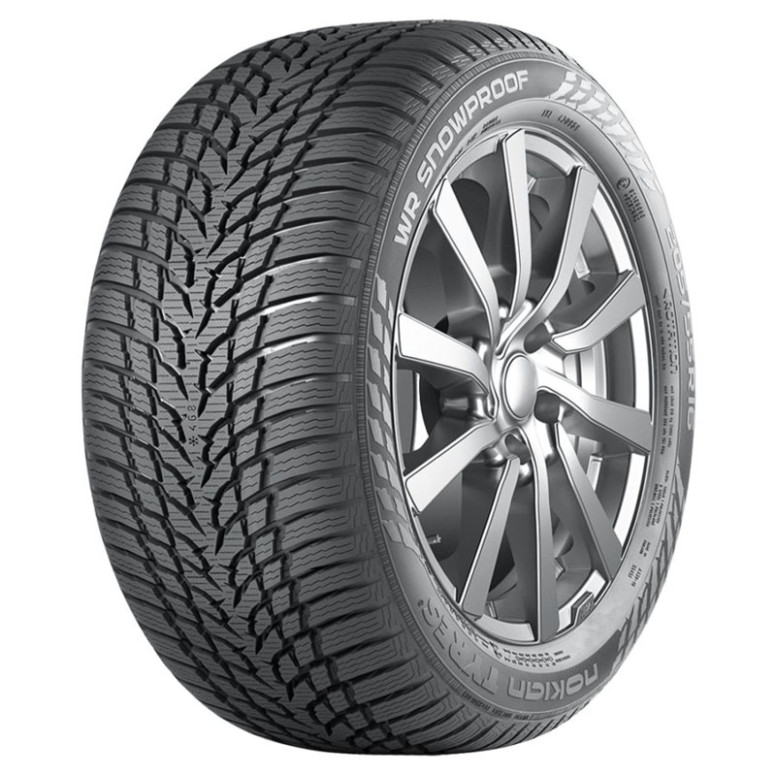
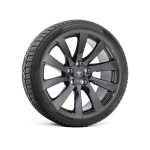
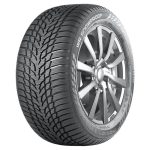
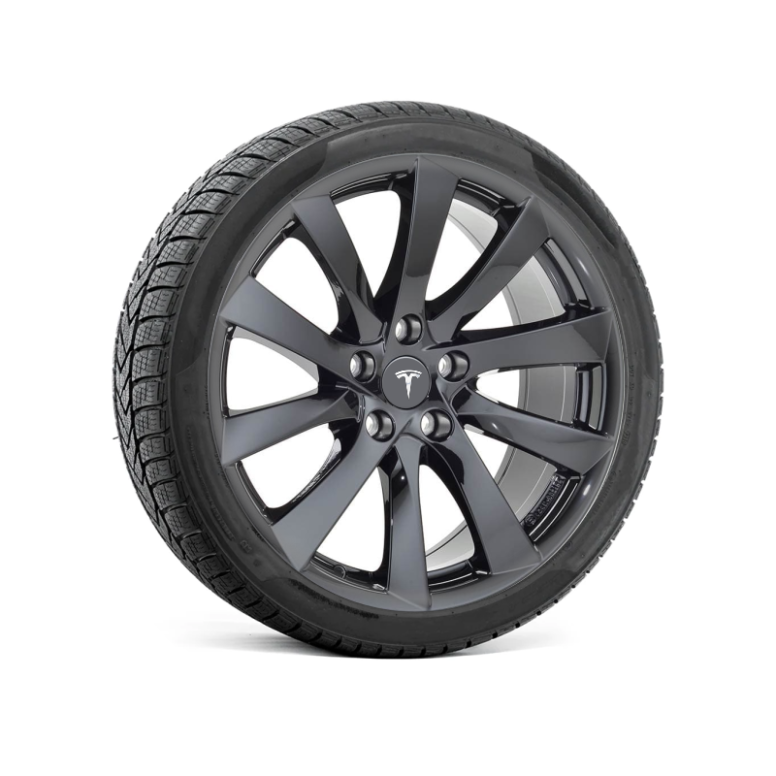
A smaller rim and a narrower tyre reduce drag: this is one of the few instances where winter tyres can offer a slight advantage. On the Model Y, a 19-inch kit such as the PL06 complete winter wheels (€849.90) offers a good balance between grip and range. Also check your tyre pressure every week: air contracts in the cold, and an under-inflated tyre reduces both your Tesla’s range in cold weather and your safety.
Tesla range in cold weather: the checklist
- pre-heating set, car plugged in;
- charging limit increased the day before a long journey;
- navigate to the Supercharger to warm up the battery;
- use heated seats and steering wheel rather than setting the cabin temperature to 24 °C;
- tyre pressure checked when cold every week.
On models fitted with a heat pump, this significantly reduces heating consumption; our 10 tips for extending range in winter complement this list.
Frequently Asked Questions
Is the loss of range in cold weather permanent? No, it disappears as soon as the battery returns to its normal temperature.
Should you leave the car plugged in overnight? Yes, in very cold weather: this protects the battery and preheats the car using the mains supply. See our guide to charging your Tesla at home.
Does Sentinel Mode use more power in winter? Slightly; switch it off in safe locations.
Does driving more slowly help? Yes; driving 10 km/h slower on the motorway offsets a significant portion of the range loss.
Green Drive’s advice
In very cold weather, range is determined before you set off: a warm battery, correct tyre pressure and suitable winter tyres are essential. Our ready-to-fit kits are available in our Model Y complete winter wheels section.