
Planning a Tesla trip to the mountains is like preparing for a mini-expedition: elevation changes, the cold, charging points getting swamped on Saturdays and the Mountain Code all add constraints you don’t encounter on the flat. Nothing insurmountable, provided you follow a logical sequence. Here is the complete checklist, from seven days before departure to your return, to ensure a stress-free journey to the resort.

Tesla trip to the mountains: 7 days before departure – equipment
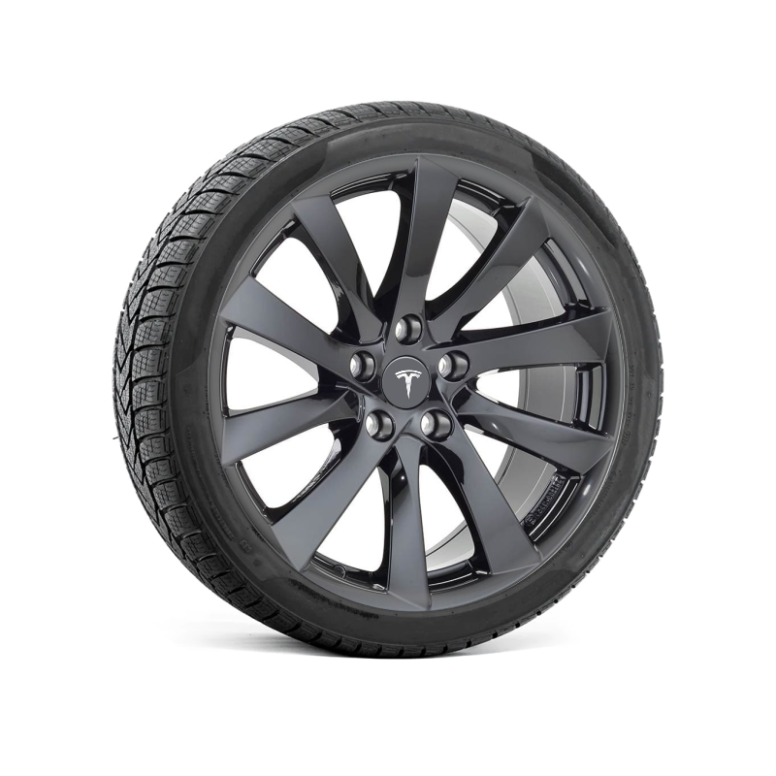
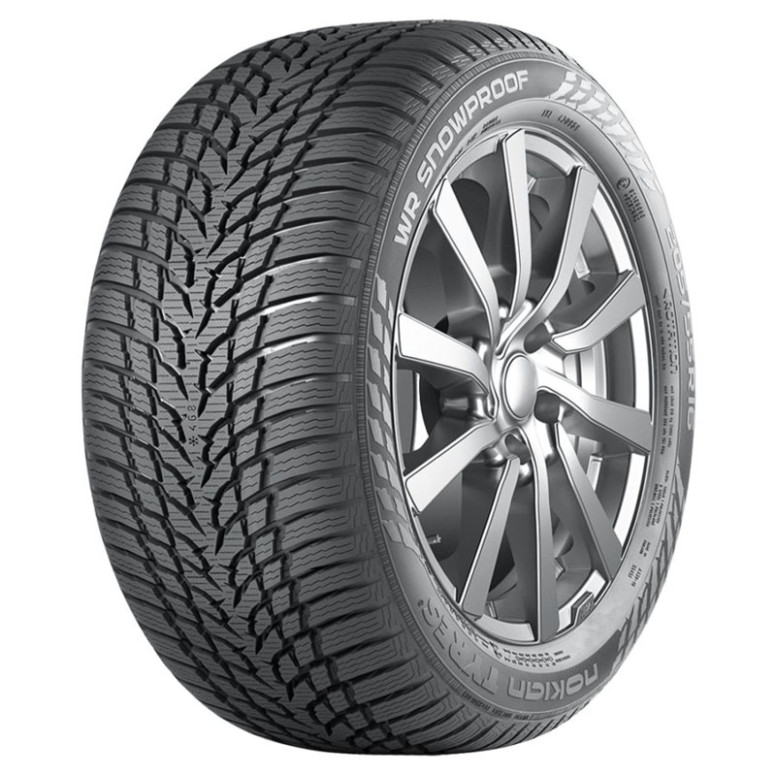
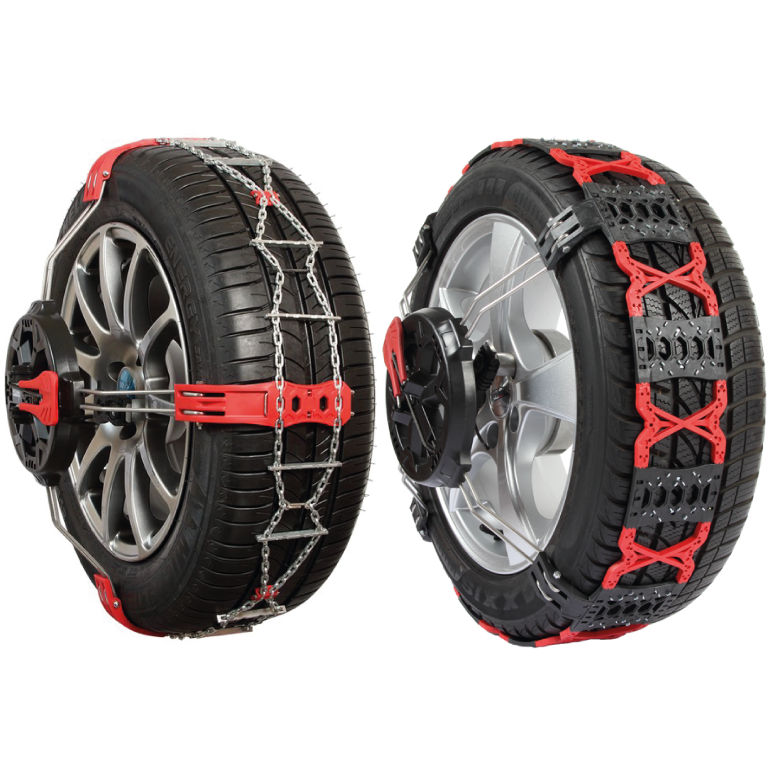
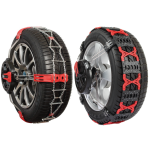
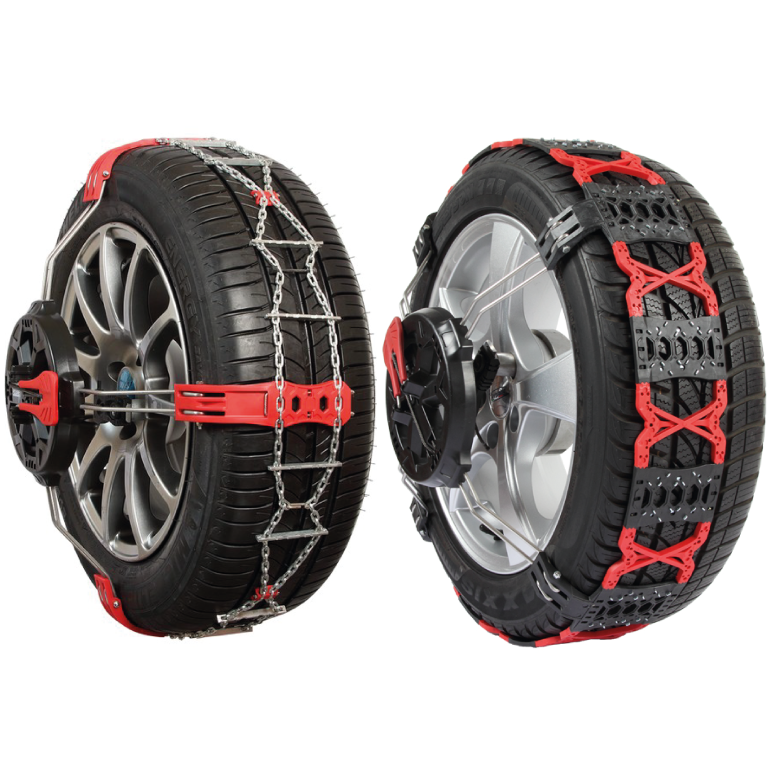
A week before departure, check that the car is roadworthy: tyres marked 3PMSF or anti-skid devices on board, which are compulsory in designated areas from 1 November to 31 March. If you’re driving on summer tyres, the front snow chains for Tesla (€429.00) are fitted from the outside of the wheel, which is handy where wheel arches are tight. Test fitting them at the garage, not at the foot of the pass. Detailed rules can be found in our Tesla Mountain Law guide.
3 days to go: plan your charging
Call your accommodation: do they have a charging point or a high-current socket? This is key to a successful stay. If not, locate the Superchargers in the valley and avoid Saturday slots, when holiday rentals change hands and queues get longer. A portable charger, such as the 7.4 kW camping socket model (€219.90), allows you to use a residential high-power socket if the property manager permits it. Our article on charging your Tesla at a ski resort details every option.

One day to go: charging and preparation
Charge to 90% the night before, leaving the car plugged in to pre-heat in the morning. In the boot, protect the carpet: wet skis, boots and snow bags always end up melting. The full boot protector for the Model Y (€64.90) covers the floor and sides; our guide to ‘going on a skiing holiday in a Model Y’ lists useful storage solutions. Distribute the weight low and centrally, and inflate the tyres to the full-load pressure indicated on the door pillar.
On the day: the journey
Check traffic conditions and mountain pass closures on bison-fute.gouv.fr before setting off. During a Tesla journey in the mountains, climbing uses a lot of battery: plan to arrive with at least 20–25 per cent battery remaining, or more in very cold weather. Set the sat-nav to the Supercharger in the valley to pre-heat the battery before your final recharge, and activate Chill mode if the road becomes snow-covered.

Once there: get a good night’s sleep, get off to a good start
Plug in as soon as possible, even on a slow charger: a battery kept warm copes better with the night-time cold. If the car is parked outside without a power point, avoid letting the battery drop below 20 per cent and pre-heat it via the app before setting off again. Clear snow from the roof, cameras and bonnet before setting off. Our guide to Tesla range in freezing conditions details the approximate extent of range loss.
The return journey: make the most of the descent
Downhill driving is an electric car’s greatest asset: regenerative braking recovers some of the energy expended on the ascent. However, the battery must have enough capacity to accept this energy: do not charge to 100 per cent at a charging station before heading back down, and keep some capacity free so that regeneration remains active. A cold battery also limits energy recovery in the first few minutes: drive gently at the start. At the end of a Tesla mountain trip, be sure to rinse the underbody and wheel rims as soon as you get back, as the salt on high-altitude roads is particularly corrosive, then store your snow chains and dry socks away for your next outing.
The Tesla mountain journey checklist
- 3PMSF tyres or snow chains and tyre socks on board;
- a charging point or socket confirmed at your accommodation;
- Battery charged to 90 per cent and pre-heating programmed;
- boot protected, tyres inflated to full load pressure;
- gloves, torch, ice scraper and antifreeze windscreen washer fluid.
Frequently Asked Questions
Is a Tesla trip to the mountains possible without a charging point at your accommodation? Yes, by using the Superchargers in the valley, but this requires more planning.
Do you need snow chains with winter tyres? Not required by law, but they’re still useful in deep snow.
What’s the range left on arrival? At least 20–25 per cent, more in very cold weather.
Is Chill mode useful? Yes, it reduces torque on snow.
Green Drive’s opinion
In the mountains, the Tesla is an excellent ski car provided you plan ahead for equipment and charging. Snow chains, protective covers and accessories are all available in our snow chains and equipment section.