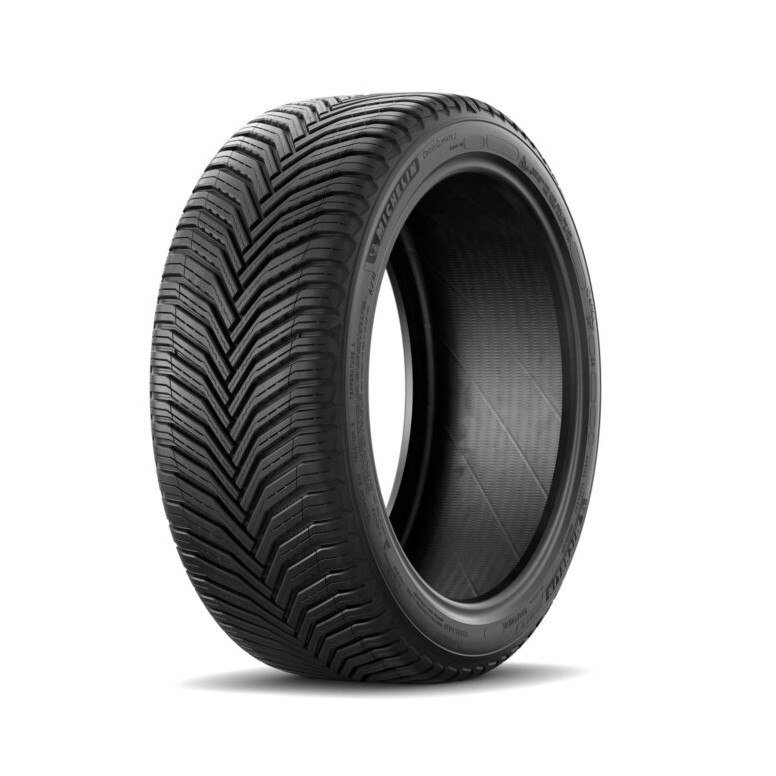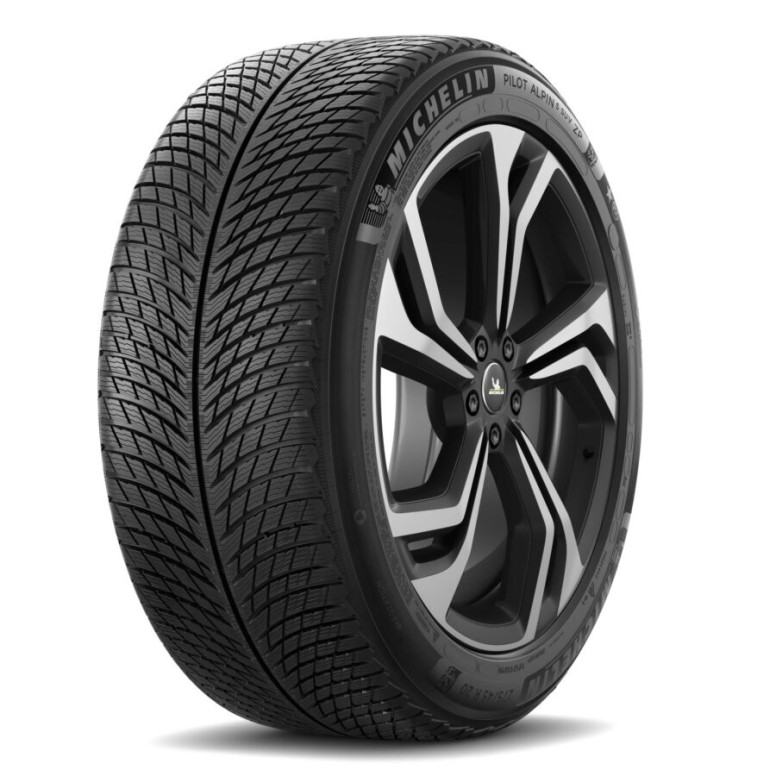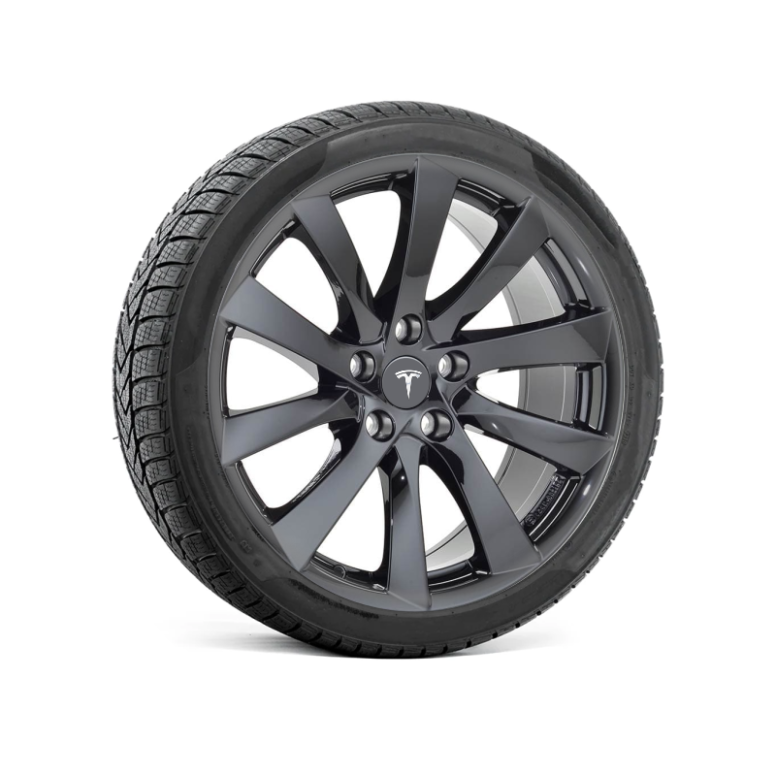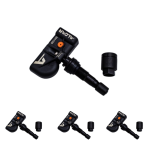

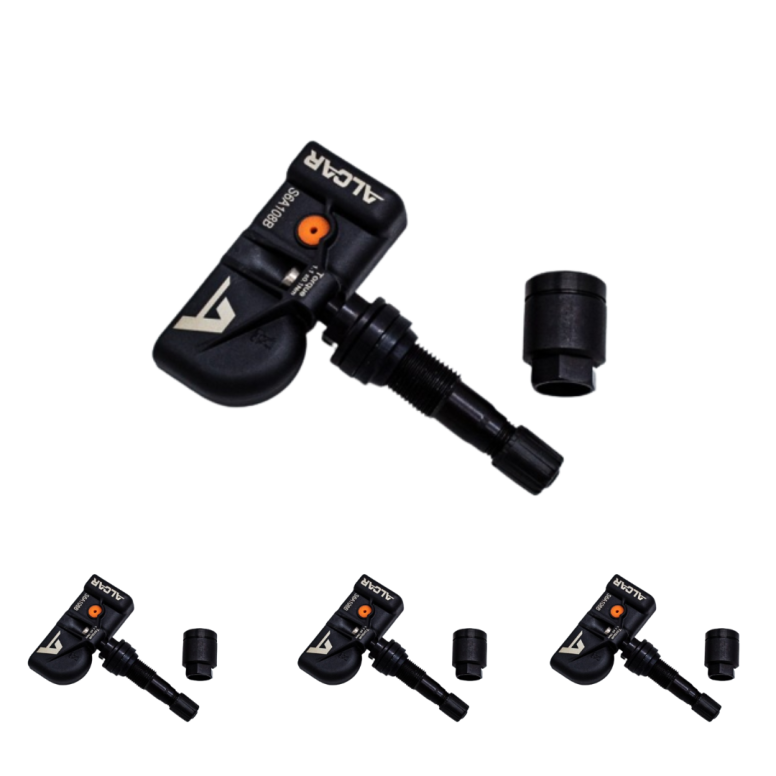
A Tesla TPMS sensor measures the pressure in each tyre and displays it on the screen. When you buy a second set of wheels, the question that always comes up is: Bluetooth or 433 MHz? The answer depends on the year of your car. Here’s how to make sure you get it right.

Tesla TPMS sensor: what is it for?
TPMS stands for Tyre Pressure Monitoring System, which is mandatory on new cars in Europe. On a Tesla, each wheel has a sensor attached to the valve. It transmits the pressure to the car, which alerts you in the event of a slow puncture or under-inflation. Without the sensors, an error message remains displayed permanently.
Bluetooth or 433 MHz: two technologies
Tesla has used two generations of sensors, which are not compatible with one another. The earlier ones communicate via 433 MHz radio waves. The more recent ones use Bluetooth (BLE). A 433 MHz sensor will never be recognised by a Tesla designed for Bluetooth, and vice versa.
Which sensor for which Tesla?
- Model 3 2019–2020 (chrome trim around the windows): 433 MHz;
- Model 3 2021–2023 (black window surrounds) and Model 3 Highland 2024: Bluetooth;
- Model Y: Bluetooth on all vehicles delivered in Europe since 2021, including the Juniper;
- Model S 2014–2020 and Model X 2016–2020: 433 MHz;
- Model S and Model X from 2022 onwards: Bluetooth.
On the Model 3, S and X, the visual indicator is simple: chrome surrounds around the windows indicate a 433 MHz sensor, whilst black surrounds indicate a Bluetooth sensor.

Can you reuse your original sensors?
Yes. When you change your wheels, the original sensors can be removed and refitted to the new ones, regardless of whether the diameter changes or not. This is the cheapest option if you’re replacing your wheels. For a second set of wheels, such as winter tyres, it’s better to use a dedicated Tesla TPMS sensor for each wheel: you can change your wheels without having to visit a garage.
How does the car recognise the new sensors?
A Tesla Bluetooth TPMS sensor pairs automatically: after fitting, drive for a few minutes and the tyre pressures will be displayed. The 433 MHz sensors we offer are pre-configured for Tesla and are also recognised whilst driving. In both cases, remember to select the correct wheel size in the Maintenance menu on the screen, so that the warning thresholds are correct.
The case of the recent Model Y Standard
Model Y Standard vehicles produced from September 2026 onwards no longer use in-wheel sensors. If you own this version, check the car’s production date before ordering a set of wheels, with or without sensors.

The checklist before buying
- identify your Tesla’s model and year;
- check the window surrounds: chrome or black;
- allow for one sensor per wheel, i.e. four per set;
- have the sensors fitted at the same time as the tyres;
- check that all four tyre pressures are displayed correctly after a few kilometres.
Which Tesla TPMS sensor should you choose from GreenDrive?
For Model 3s from 2021 onwards and all Model Ys, the ALCAR Bluetooth sensor pack is priced at €224.90. For 2019–2020 Model 3s and Model S and Xs up to 2020, pre-configured 433 MHz TPMS valves are available from €31.95. Our article on TPMS sensors in winter explains cold-weather alerts, and the Tesla owner’s manual describes how tyre pressures are displayed.
Frequently Asked Questions
Can you drive without a Tesla TPMS sensor? The car will still drive, but it will display a constant warning and will no longer monitor your tyres.
How long does a sensor last? Its battery is sealed: once it runs out, after several years, the sensor needs replacing.
Will a universal sensor work? Only if it is programmed for Tesla, using the correct technology.
Do you need to visit a Tesla centre for pairing? No, the sensor is recognised whilst driving.
GreenDrive’s opinion
For a second set of wheels, fit them with their own sensors: you’ll save time every time you change tyres for the season. Check out our rims for the Tesla Model Y and our rims for the Tesla Model 3 to fit.