




Paint is a Tesla’s Achilles heel: thin, hard-worked, costly to respray. Tesla PPF — transparent polyurethane paint protection film — promises a definitive fix. Full coverage or targeted zones, self-healing, prices: here is what the film is really worth in 2026, and where to start.
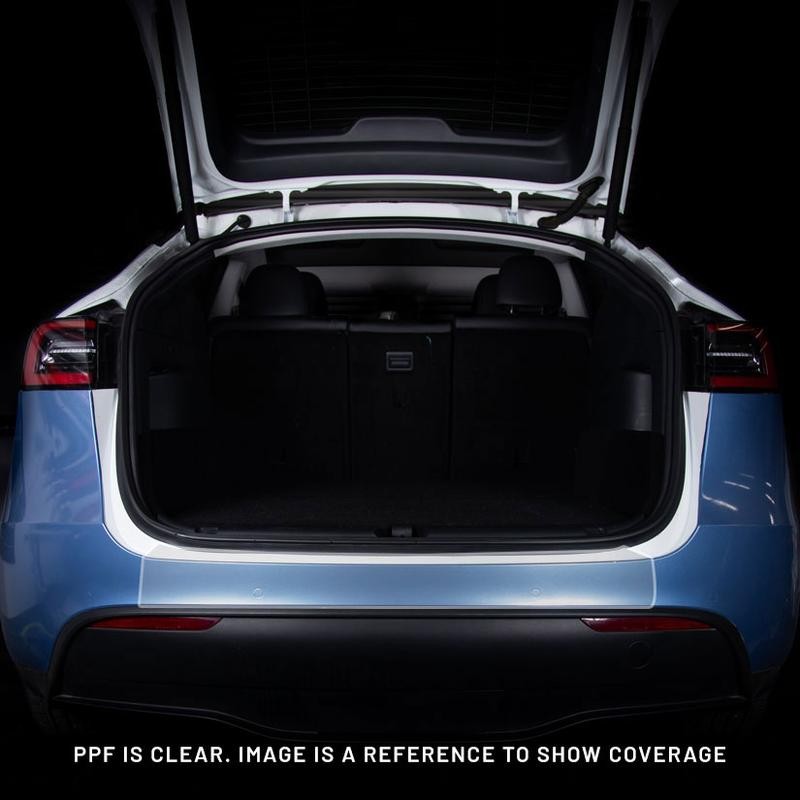
Tesla PPF: how does it work?
Paint Protection Film is a 150-200 micron transparent thermoplastic polyurethane that absorbs stone chips, micro-scratches and rubbing. Its “self-healing” top layer regenerates with heat: wash marks vanish in the sun or with warm water. Fitted edge to edge, it turns invisible — the paint breathes underneath, shielded from UV and corrosive droppings.
Full coverage or targeted zones?
Professional full-body coverage costs €3,000-5,000: relevant on a new Performance built to be kept. The Green Drive approach is more surgical: pre-cut Tesla PPF kits for the zones that genuinely suffer, DIY-friendly:
- Model Y boot sill (€34.90) — the SUV’s most scratched zone;
- door sills (from €26.49) — daily rubbing;
- centre console (€56.90) — piano black loves micro-scratches;
- front end and rockers — motorway gravel.

Fitting: easier than you think in kit form
Pre-cut kits fit with a squeegee and soapy spray: clean surface, position, chase the bubbles, dry. Twenty minutes for a boot sill, an hour for a console. The full front end needs more finesse — the only kit we suggest entrusting to a fitter if you have never handled film. Our Tesla maintenance guide covers the right prep habits.
PPF or wrap: do not confuse them
PPF protects without changing looks; a wrap changes colour with less protection. Thickness, self-healing, anti-yellowing warranty: protection film plays in another league than vinyl. Our wrap vs PPF comparison details the match — and the cases where both combine (front PPF + full wrap).
Durability and film care
A quality Tesla PPF lasts 7-10 years. Normal washing, no point-blank pressure on the edges; compatible ceramic boosters (QM PPF Maintain type) revive the hydrophobics. On removal, the paint emerges like new — the decisive resale argument, when unprotected Teslas wear years of gravel on the bonnet.
Where to start? Our priority order
If budget forces choices, here is the order that maximises every Tesla PPF euro: the boot sill first (worked at every load, €34.90), then the rear door sills (passengers rub mercilessly), the piano-black console, and finally the front end for motorway commuters. That sequence covers 90% of the damage seen on used Teslas for about €150. Full coverage remains the preserve of enthusiasts and collectable Performances. One more argument for prevention: extending a body’s life is the first circular-economy gesture, as the environment agencies put it — a film-preserved body crosses the years without a respray, an operation as costly as it is emission-heavy.

Frequently asked questions
Does Tesla PPF yellow? Modern TPU films do not; yellowing plagued old-generation PVC.
Can PPF go on an already scratched car? Yes after correction: the film freezes the paint’s state, it does not erase.
How does it differ from ceramic coating? Ceramic eases washing and adds gloss; only film absorbs impacts.
Does it survive automatic car washes? Yes, though hand washing better preserves the edges.
Green Drive’s take
Targeted Tesla PPF is the catalogue’s most rational investment: €30-100 per critical zone, years of peace. All pre-cut kits are in the PPF section.




